
Advice / Living Spaces / Choosing and buying
Ideas for your conservatory or orangery
Find a use for the extra room, then plan the furniture, lighting and connection to the garden.
Published 10 December 2019
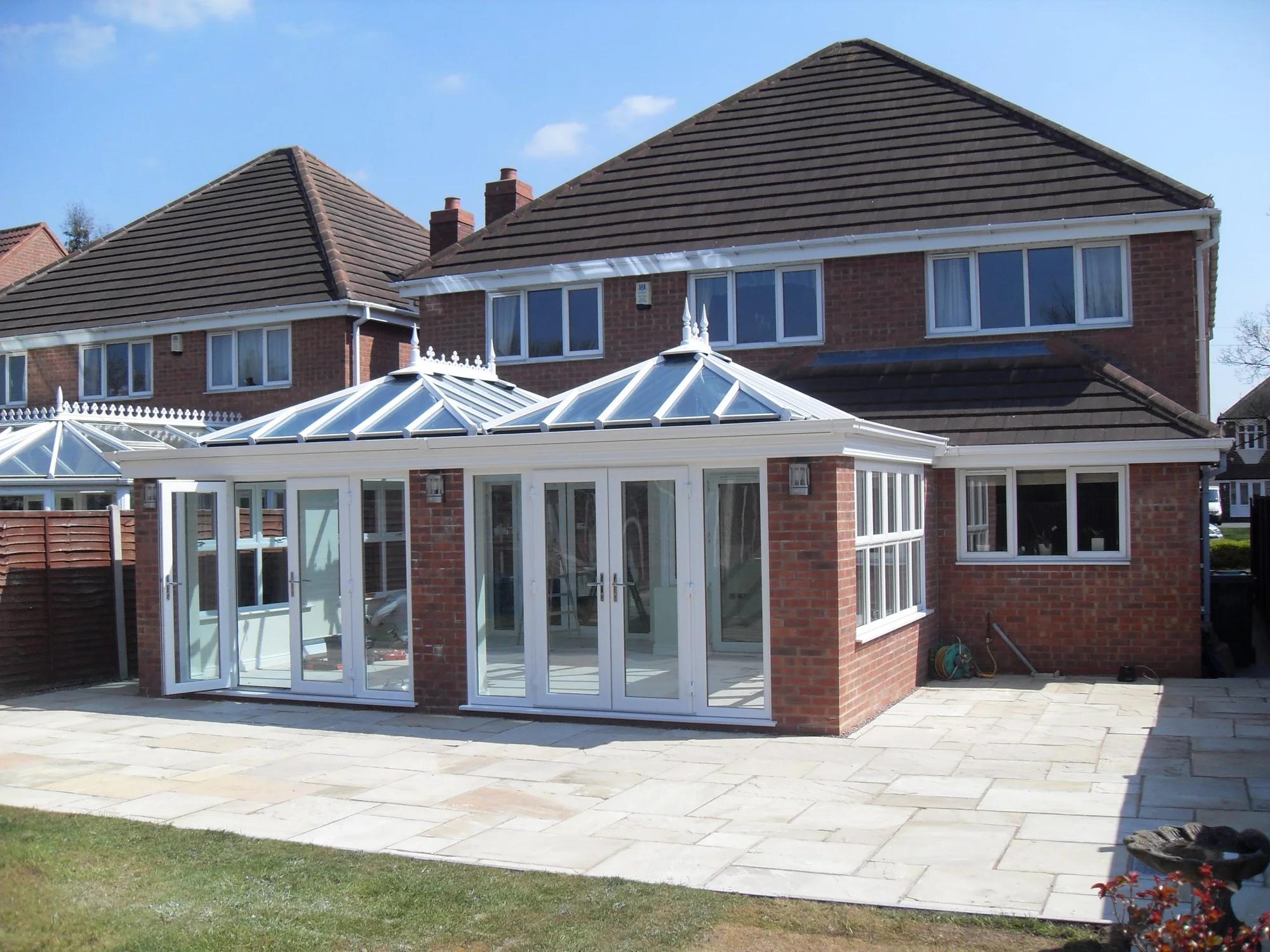
A conservatory or orangery works best when it has a clear purpose. Picture the table, desk or favourite chair first, then think about how the glazing and layout could support the way you want to use the room.
What is a conservatory?
A conservatory is a building with an opaque or clear roof. Conservatories must also be:
- Built at a ground level.
- Separated from a house by external walls, doors or windows.
- Less than 30m2 in size.
- Heated by its own independent heating system.
Pros and cons of a conservatory
Pros:
- They provide natural lighting – With large windows and a glass roof, conservatories flood your home with natural light, creating a space for relaxing or entertaining.
- They offer a versatile space – Whether you use it as a dining area, a playroom, or a home office, a conservatory offers a flexible space that can adapt to your changing needs.
- They’re cost effective – Compared to other home extensions, conservatories are often more affordable than other types of extension.
Cons:
- It’s difficult to control their temperature – Conservatories can be tricky to heat in the winter and may become too warm in the summer without proper insulation or climate control solutions.
- They can require a lot of maintenance – The extensive glass surfaces require regular cleaning to keep your conservatory looking its best. In some instances older conservatories may need glass roof replacements.
- They can have limited privacy – Depending on its location, a conservatory may offer less privacy than other types of home extensions, especially if it faces neighbouring properties.
What is an orangery?
Orangeries are extensions with a brick base, flat perimeter roof and central roof lantern. They must also have windows and doors.
Framemaster supplies and fits uPVC and aluminium windows. We can help you look at the window design alongside the rest of your proposed extension.
Explore our range of windows today to see how they could fit in with your desired home extension style.
Pros and cons of an orangery
Pros:
- They have an elegant design – With their brick like structure and expansive windows, orangeries bring more solid walls together with generous glazing.
- They can be used all year round – Thanks to their solid walls and superior insulation, orangeries are comfortable in all seasons, making them a versatile extension of your home.
- They add value to your home – Orangeries not only add space to your home, but added value as well.
Cons:
- They can cost more than conservatories – The quality of materials and design of an orangery can make them more expensive to build compared to a conservatory.
- They can take longer to construct – Due to their complex design they can take longer to build than other types of extensions.
- Planning permission may be required – Depending on the size and design, you may need planning permission, which can add time and cost to the project.
What is the difference between a conservatory and an orangery?
An orangery and conservatory’s main differences are their roofs and base. For example, a conservatory has a concrete base whereas an orangery has a brick base.
Find out more about the differences between a conservatory and an orangery here.
Creative orangery and conservatory ideas
Furnishing a conservatory or orangery can be an exciting time. But it’s important to establish how and when it will be used first.
If you’re wondering ‘can I use my conservatory all year round?’ it will most importantly depend on what sort of room you make your conservatory into. For example, a cosy lounge filled with cushions, throws and a heater is likely to be used more in the winter – whereas a light dining room can be used all year round. Some of our favourite conservatory and orangery room ideas include:
1. Create an inviting dining room
One way to use a conservatory is as a dining room. Arrange a table and chairs to create space for hosting guests. Alternatively, to keep it more casual, use bench sofas to create more of a breakfast bar environment – for casual family meals.
2. Design a comfortable lounge area
A lounge is a popular choice for conservatory and orangery extension owners. Take the pressure away from your existing lounge space by kitting out your conservatory with sofas, chairs and a television. This can offer an alternative area for people to relax and unwind from the stresses of their day. Of course, this would also eliminate remote control wars, too, if members of the family wanted to watch different programmes on television!
3. Implement a study or home office
A study needs room for the desk, storage and a comfortable route around them. Think about screen position and glare as well as the view outside.
Position the desk so the daylight works for you, with blinds or shading considered as part of the layout.
4. Create a reading room
If you already have a lounge area, why not use your orangery or conservatory as a tranquil reading nook? Fill the space with bookshelves and plush armchairs, allowing natural light to flood in while you lose yourself in a good book.
5. Implement a kitchen extension
Another innovative use for your conservatory or orangery is as a kitchen extension. This provides extra space for meal preparation, a breakfast bar, or even additional storage. It’s a smart way to enhance your home’s functionality without the need for a full remodel.
6. Build a playroom
Create a ‘kids only’ area for the children to use as their own playroom. A conservatory or orangery can give children a place to play. Furnish it with their favourite toys and playsets, but make sure to incorporate storage to keep the space tidy.
Talk through your plans
Tell us how you’d like to use the extra space. We’ll help you explore the options and the next steps for your home.